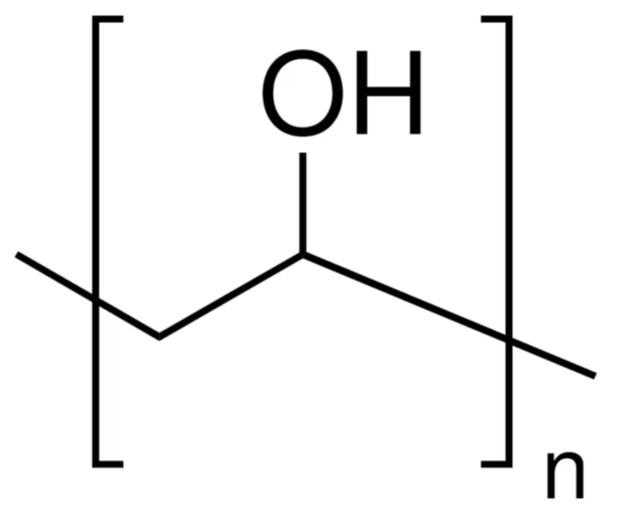
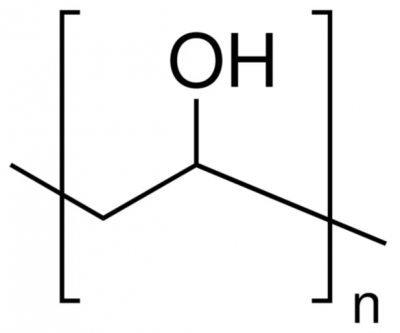
(C2H4O)x
Polyvinyl alcohol (PVA) is a synthetic polymer that is known for its water solubility, colorless and odorless nature. It is created by dissolving polyvinyl acetate in alcohol with an alkaline catalyst, a process called hydrolysis or alcoholysis. PVA is widely used in various applications, including textiles, paper, packaging, and medical products.
|
Grade |
Degree of Polymerization |
Degree of Saponification |
Viscosity (mPa·s) |
Characteristics and Applications |
|
PVA 17-88 |
1700 |
88% |
Moderate |
Widely used in manufacturing polyvinyl formal, gasoline-resistant pipes, vinylon synthetic fibers, fabric treatment agents, emulsifiers, paper coatings, adhesives, etc. |
|
PVA 17-99 |
1700 |
99% |
High |
Mainly used in manufacturing high-viscosity polyvinyl butyral, widely used as a dispersant in sizing materials. |
|
PVA 17-88 |
|
87-89% |
20.5-24.5 |
Low viscosity type, suitable for specific industrial applications. |
|
PVA 24-88 |
|
88% |
|
High viscosity, used in specific industrial applications. |
|
PVA 26-88 |
|
88% |
|
High viscosity, used in specific industrial applications. |
Polyvinyl alcohol (PVA) has a wide range of applications across various industries due to its unique properties such as water solubility, film-forming ability, and adhesive properties. Here are some key applications:
Polyvinyl alcohol properties
PVA chemical structure and synthesis
PVA polymer classification
PVA solubility in water vs organic solvents
PVA as an emulsifying agent
Polyvinyl alcohol for papermaking
PVA in textile sizing
PVA raw material sources
Add: A5-2702, Yuehai Xintiandi, Jinfeng District, Yinchuan City, Ningxia Hui Autonomous Region
Add: A5-2702, Yuehai Xintiandi, Jinfeng District, Yinchuan City, Ningxia Hui Autonomous Region
We use cookies to understand how you use our site and to improve the overall user experience. This includes personalizing content and advertising. Read our Privacy Policy